Forex Broker CRM for Client Management and Operations
Leads, onboarding, KYC, funding, trading accounts and partners, all handled from one back office instead of six spreadsheets.
Ask any brokerage operations manager where their day goes and you’ll hear the same answer: chasing documents, matching deposits to accounts, answering “where’s my withdrawal?” emails and working out IB commissions by hand. A forex broker CRM takes most of that off their plate. It sits between your clients and your trading platform and keeps everything in sync, so your team can spend its time on clients rather than admin.
What Is a Forex Broker CRM?
A general sales CRM tracks leads and deals. A brokerage needs a lot more than that.
A forex CRM is built around the way a brokerage actually runs. It manages a lead from first sign-up through verification, funding and trading, and keeps going for as long as that client stays with you. It connects directly to your trading platform, so creating an account or updating a balance happens automatically. It also handles the partner side of the business, which most general CRMs don’t touch.
Most brokers use it in two ways:
- The client portal, where traders register, upload documents, deposit, withdraw and open trading accounts
- The broker back office, where your team reviews, approves, reports and manages everything behind the scenes
When both run on one system, nothing slips between them.
Who Needs a Broker CRM?
New Brokerages Preparing to Launch
If you’re setting up on an MT5 grey label or white label, the CRM is what turns a trading platform into a working business. Without it, every client action means manual work.
Existing Brokers Stuck on Outdated Systems
Maybe your current setup was cheap at the start and is now holding you back. Slow approvals, missing reports, no real IB tracking. Upgrading the CRM often fixes more problems than people expect.
Brokers With Large Partner Networks
If introducing brokers and affiliates bring in a big share of your clients, you need accurate tracking and commission calculation. Guesswork here costs you partners.
Multi-Desk or Multi-Region Teams
Sales, compliance, finance and support all need different access to the same client data. A proper CRM gives each team its own view.
Core Features of Our Forex CRM Software
We’ve grouped these by how a client moves through your brokerage, since that’s how your team will actually use them.
Acquire and Convert
- Lead capture from your website and landing pages
- Lead assignment to sales agents by region, language or source
- Activity tracking, notes and follow-up reminders
- Campaign and source tracking, so you know which marketing works
Onboard and Verify
- Online registration through a branded client portal
- Document upload for identity and address verification
- KYC review queues for your compliance team, with approve, reject and request-more-info options
- Integration with third-party verification tools where supported
- A full audit trail of every decision
Fund and Operate
- Deposits and withdrawals through connected payment gateways
- Approval workflows for withdrawals, with role-based sign-off
- Automatic trading account creation on your platform
- Internal transfers between a client’s accounts
- Balance syncing between the CRM and the trading platform
Grow and Retain
- IB and affiliate management with multi-level structures
- Commission and rebate calculation
- Partner portals so IBs can track their own clients and earnings
- Client segmentation for targeted communication
- Automated emails and notifications
Reporting and Control
- Dashboards for deposits, withdrawals, registrations and conversions
- Trading activity and volume reports
- Exportable reports for finance and compliance
- Role-based access, so each staff member sees only what their job needs
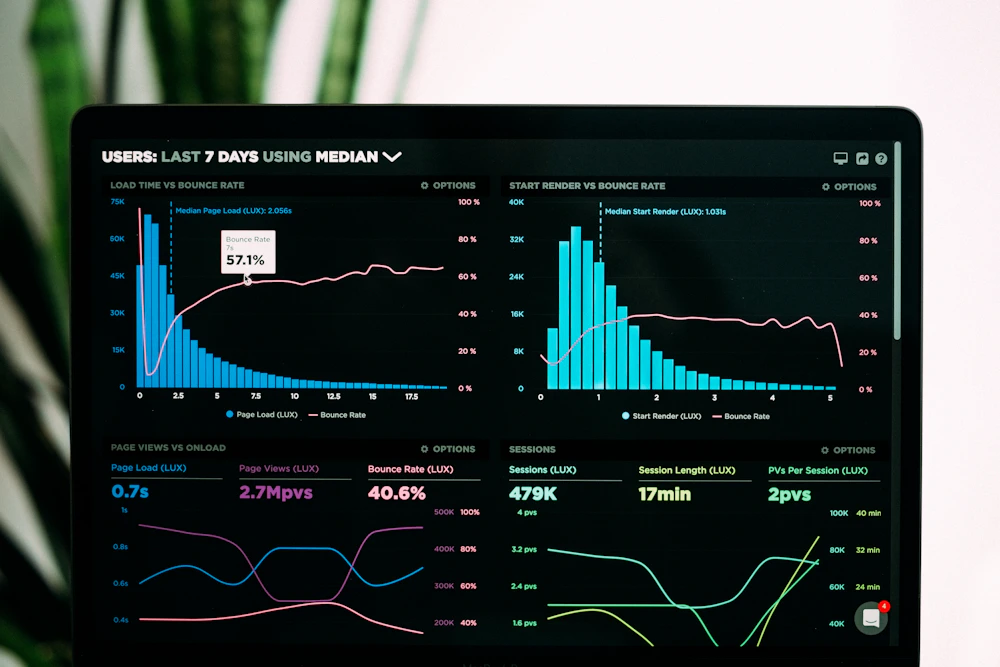
How the CRM Connects to the Rest of Your Brokerage
Here’s how a typical client journey runs through the system.
A trader fills in the sign-up form on your website. The CRM creates a lead and assigns it to a sales agent. The trader logs into the client portal, uploads their documents, and the file goes into your compliance team’s review queue. Once approved, they make a deposit through a connected payment provider. The CRM records it, creates the trading account on MT5 and credits the balance.
From then on, trading activity flows back into the CRM for reporting. If the client came through an IB, commissions are calculated automatically. When they request a withdrawal, it goes through your approval process and the balance updates on both sides.
Nobody on your team copies data from one screen to another at any point. That’s what you’re really paying for.
Integrations
The CRM is only as useful as what it’s connected to. We set up links with:
- MT5, for account creation, balance updates and trading data
- Payment gateways, for deposits and withdrawals
- KYC and identity verification providers
- Your website, for registration and lead capture. See our forex broker website service
- Your mobile app, so clients can manage accounts on the go. See our forex trading mobile app service
- Email and notification services
- Liquidity and reporting systems, where needed
- APIs and webhooks, for custom tools your team already uses
What Changes When Your Back Office Runs Properly

Faster Onboarding
Clients don’t wait days to start trading because their documents got lost in someone’s inbox. Clear review queues keep things moving.
Fewer Manual Errors
When deposits update balances automatically, nobody credits the wrong account or forgets to update one.
Happier Partners
IBs who can see their own numbers in real time trust you more and send you more clients.
Clearer Decisions
When registrations, deposits and volumes sit in one dashboard, you spot problems and opportunities sooner.
Better Compliance Records
Every approval, rejection and change gets logged. When someone asks why an account was approved, you have the answer.
Setting Up Your Forex CRM Solution
Step 1: Understand Your Workflows
We map how your brokerage actually operates: who approves what, how your IB structure works, which payment methods you use and what reports you need.
Step 2: Configure the System
Roles, permissions, onboarding steps, approval rules and commission structures get set up to match.
Step 3: Brand the Client Portal
Your portal gets your look and language, so clients feel like they’re dealing with your brokerage throughout.
Step 4: Connect Your Systems
MT5, payments, KYC tools and your website get integrated and tested.
Step 5: Migrate Existing Data
If you’re switching from another CRM, we plan the move of client records, balances and partner data carefully, with checks at each stage.
Step 6: Train Your Team and Go Live
Your staff learn the system before clients ever touch it. After launch, we stay available for questions and adjustments.
Data Security and Access Control
Your CRM holds personal documents, financial details and trading records, so it needs to be locked down properly. We set up role-based permissions, so a sales agent can’t see finance data and a support agent can’t approve withdrawals. Every sensitive action gets logged. Connections between the CRM and other systems run over secured channels.
One more point worth stating: the CRM gives you tools to run compliance workflows, but your legal and regulatory obligations stay with your brokerage. We build the system. Your compliance team decides the rules it enforces.

Frequently Asked Questions
What is a forex broker CRM used for?
It manages the entire client relationship, from lead to verified, funded, active trader. It also handles partners, reporting and back office operations, and connects all of this to your trading platform.
How is forex CRM software different from a normal CRM?
Standard CRMs track sales. A forex CRM also handles KYC, deposits, withdrawals, trading account creation, IB commissions and syncing with platforms like MT5. These are things a general CRM simply isn’t built to do.
Does the CRM integrate with MT5?
Yes. Account creation, balance changes and trading data sync between the two automatically.
Can I manage IBs and affiliates in the CRM?
Yes. You can set up multi-level partner structures, define commission rules and give partners their own portal to track clients and earnings.
Can you move my data from my current CRM?
Yes. We plan migrations carefully, including client records, balances and partner relationships, and verify the data before switching over.
Does the CRM handle KYC checks?
It manages the KYC workflow: document collection, review queues and approval decisions. It can also connect to third-party verification providers. Your compliance policy decides how checks are applied.
Can my team have different access levels?
Yes. Roles and permissions are fully configurable, so each person sees and does only what their job requires.
Is the client portal branded?
Yes. It carries your brokerage’s branding, and clients use it to register, verify, fund and manage their accounts.

See the Forex Broker CRM in Action
Walk through the client portal, KYC approval queues, MT5 account sync, and multi-tier IB commission engine with our team.
Give Your Team a Back Office That Keeps Up
If your operations still run on spreadsheets and email threads, a proper forex broker CRM will change how your whole brokerage works. Book a demo and see how it would fit your workflows.
